 9 Mar 2026
 By Vista Corp
If you’re planning to start a trading or commodities business in Dubai, chances are someone has already told you one thing:
“You should look at DMCC.”
But why does that recommendation come up so often?
Among the many business jurisdictions in the UAE, DMCC has built a reputation as one of the most trusted hubs for global trade and international businesses.
The Dubai Multi Commodities Centre (DMCC) was created to support companies operating across global markets — from precious metals and diamonds to agricultural goods, energy products, and complex supply chains.
So if you’re exploring DMCC free zone company setup or setting up a company in DMCC, you’re probably trying to answer a few important questions.
Is it the right place for your business?
What advantages does it offer?
And how does the setup process actually work?
That’s exactly what this guide will help you understand.
What is DMCC Free Zone, and Why Was It Created?
To understand why DMCC is so often recommended for trading and commodities businesses, it helps to look at why it was created in the first place.
The Dubai Multi Commodities Centre (DMCC) was established in 2002 by the Government of Dubai with a clear objective: to position Dubai as a global hub for commodities trade. At the time, Dubai was already emerging as a strategic gateway between Asia, Europe, and Africa. DMCC was designed to build on that advantage by creating an ecosystem specifically tailored for companies involved in commodities, international trade, and global supply chains.
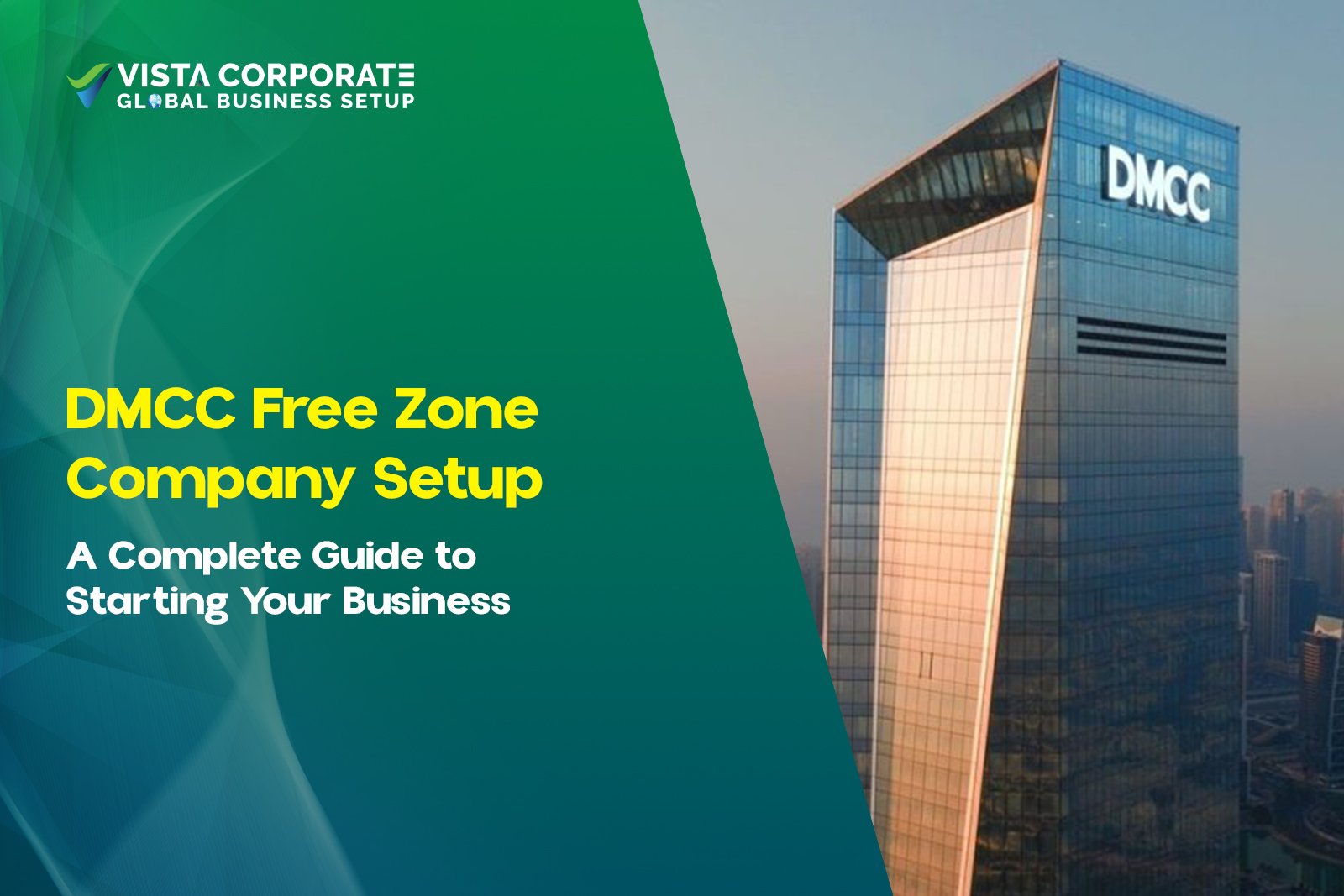
Today, that vision has grown into one of the world’s most influential business districts. DMCC operates from Jumeirah Lakes Towers (JLT) and is home to over 24,000 registered companies from more than 180 countries, making it one of the largest and fastest-growing free zones in the UAE.
While it originally focused on commodities such as gold, diamonds, tea, and coffee, the ecosystem has expanded significantly. Businesses across industries now operate within DMCC, including trading firms, logistics companies, technology startups, consulting firms, and financial services providers.
The free zone has also earned global recognition for its business environment. In fact, DMCC has been repeatedly named “Global Free Zone of the Year” by the Financial Times’ fDi Intelligence, reflecting its strong regulatory framework, infrastructure, and international credibility.
In simple terms, DMCC was created to make Dubai a global trading powerhouse — and today it serves as a thriving ecosystem where businesses connect, trade, and grow on a global scale.
Why Businesses Choose DMCC for Company Formation
So why does DMCC keep coming up whenever someone talks about starting a business in Dubai?
If you ask entrepreneurs who have gone through the research process, many will tell you the same thing: DMCC simply ticks a lot of important boxes.
For starters, it has credibility.
And in business, credibility matters more than most people realise. When your company is registered under the Dubai Multi Commodities Centre (DMCC), it often signals structure and legitimacy to banks, investors, and international partners.
Imagine you’re negotiating with a supplier overseas or opening a corporate bank account. Being associated with a globally recognised free zone can make those conversations a lot smoother.
But it’s not just about reputation.
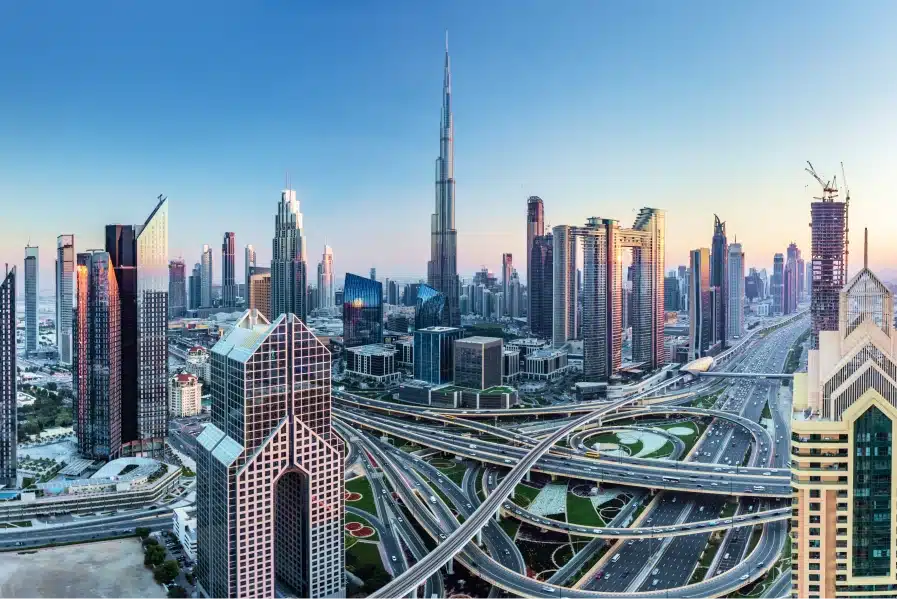
Take a walk around Jumeirah Lakes Towers (JLT), where DMCC is located, and you’ll quickly notice something interesting. Office towers are packed with companies from completely different industries.
What does that mean for you as a business owner? Opportunities. Partnerships. Conversations that might turn into your next deal.
And then there’s the location.
Think about it. If your clients, employees, or partners can easily reach your office, doesn’t that make running a business easier? JLT sits right in the middle of Dubai’s commercial activity, connected to major roads, metro stations, and thriving residential communities.
Put all of this together — credibility, connectivity, and a vibrant business ecosystem — and it becomes easier to see why so many entrepreneurs keep asking the same question: “Should I set up my company in DMCC?”
Key Benefits of Setting Up a Company in DMCC
So what makes entrepreneurs seriously consider DMCC when choosing where to set up their company in Dubai?
Is it just another free zone option on the list? Not quite.
When you look closely, you’ll notice that DMCC offers a combination of advantages that are particularly valuable for businesses thinking globally from day one.
Let’s look at what makes it stand out.
A Truly Global Business Community
One of the first things people notice about DMCC is the diversity of businesses operating there. Companies from across industries and regions operate side by side, creating an environment where international trade, services, and advisory firms intersect.
What does that mean for you as a business owner?
Simply put, you’re operating in an environment where potential partners, suppliers, service providers, and clients may already be within the same district. Instead of building networks from scratch, companies often find themselves surrounded by businesses operating in complementary industries.
That’s the advantage of being part of a globally connected business community rather than working in isolation.
Strategic Position for International Trade
Location matters in business. Always has.
Dubai sits at a strategic point between Asia, Europe, and Africa, which is why it has become one of the world’s most important trading hubs. DMCC builds on this advantage by hosting companies that actively participate in global trade networks.
If your business involves importing goods, exporting commodities, or coordinating international supply chains, being based in a trade-focused ecosystem can make operations smoother. You’re surrounded by service providers, logistics specialists, and companies that understand the pace of global commerce.
Infrastructure That Supports Business Growth
Of course, a strong business environment also requires the right physical infrastructure.
You need a workspace, connectivity, meeting facilities, and an environment where employees can operate comfortably.
DMCC offers a wide range of infrastructure options — from premium office towers to flexible coworking spaces. Startups can begin with compact office solutions and later move into larger offices as the business grows. High-speed connectivity, modern building facilities, and professional business environments help companies operate efficiently from the start.
International Recognition and Credibility
Let’s say you’re introducing your company to an overseas client or a financial institution. The jurisdiction your company is registered in can influence how your business is perceived.
DMCC has spent years building a reputation as a trusted international business hub. In fact, it has repeatedly been recognised as a leading global free zone, which adds a layer of credibility for companies registered within the ecosystem. For entrepreneurs entering new markets, that recognition can be an advantage.
Built-In Networking Opportunities
Here’s something many founders don’t realise until they experience it themselves: business districts create momentum.
DMCC also hosts a wide range of industry events, trade discussions, and networking gatherings throughout the year. These interactions are part of what makes the ecosystem dynamic.
When you combine a global community, a trade-friendly location, strong infrastructure, and an environment that encourages collaboration, it becomes easier to understand why many entrepreneurs eventually reach the same conclusion:
DMCC isn’t just a place to register a company. It’s a place to grow one.
Types of Business Activities Allowed in DMCC
One of the biggest reasons entrepreneurs consider DMCC is the flexibility it offers when it comes to business activities.
Think about it. When you’re setting up a company, you don’t want to feel boxed into one narrow industry, right? Some free zones are built for very specific sectors. DMCC, on the other hand, supports a wide range of businesses, which is why companies from completely different industries operate side by side here.
So what kinds of businesses actually register in DMCC?
Trading Companies
Trading is where DMCC truly shines.
After all, the free zone was originally designed to support global commodities trade. Companies involved in products like precious metals, diamonds, agricultural goods, electronics, or consumer products often choose DMCC because it connects them to an international network of buyers and suppliers.
Imagine running an export business that sources products from Asia and supplies them to markets in Europe or Africa. Being located in a trade-focused hub like DMCC can make those operations much smoother.
Consulting and Professional Services
Not every company in DMCC deals with physical goods. In fact, many entrepreneurs establish consulting firms here.
Think about management consultants advising regional businesses, marketing agencies working with international brands, or financial advisors supporting corporate clients. If your business revolves around expertise rather than products, DMCC still provides the professional ecosystem you need.
Technology and Digital Businesses
Over the past few years, DMCC has also attracted a growing number of technology-driven companies. Startups, digital marketing agencies, software developers, and IT service providers often choose the free zone because Dubai itself is rapidly evolving into a regional tech hub.
Ask yourself this: If your clients are spread across different countries, wouldn’t it make sense to operate from a location that connects you to global markets?
Also Read: Guide to Starting Your AI Company in Dubai
Logistics and Supply Chain Businesses
Then there are companies involved in logistics and supply chain services. These businesses play a crucial role in international trade — coordinating shipments, managing procurement, and facilitating the efficient movement of goods across borders.
Given DMCC’s strong ties to commodities and trade networks, it naturally attracts businesses that specialise in distribution, sourcing, and supply chain management.
Business Legal Structures Available in DMCC Free Zone
Now, before you register a company in DMCC, there’s an important question you’ll need to answer.
What legal structure should your business operate under?
It might sound technical at first, but it’s actually quite straightforward.
The structure you choose determines how your company is owned, how liability is handled, and how your business connects with other entities. DMCC offers several options so entrepreneurs can choose a setup that fits their business model rather than forcing their business to fit a rigid framework.
Let’s take a closer look at the main structures available.
Free Zone Company (FZCO)
The Free Zone Company (FZCO) is one of the most commonly used structures within DMCC. Think of it as a fully independent company registered within the free zone, where the shareholders can be individuals, corporate entities, or a mix of both.
Why do many entrepreneurs prefer this structure?
For one, it offers limited liability protection, which means the financial liability of shareholders is generally limited to their investment in the company. This is particularly important for trading or international business activities where risk management matters.
An FZCO structure also allows businesses to operate under their own company name, sign contracts, and engage in commercial activities within the scope of their approved license.
Branch Office
Now suppose you already have an established company somewhere else — maybe in Europe, India, or another part of the UAE — and you want to expand into Dubai. Do you need to create an entirely new company?
Not necessarily.
DMCC allows companies to open a branch office that essentially serves as an extension of the parent company. The branch operates under the same legal identity and business name as the parent entity while gaining access to Dubai’s business environment.
For example, an international trading company headquartered in another country might open a DMCC branch to handle regional operations, connect with suppliers, or manage Middle East clients.
This structure allows businesses to expand their footprint without restructuring their entire corporate setup.
Subsidiary Company
Another option available within DMCC is establishing a subsidiary company.
So what’s the difference between a branch and a subsidiary?
A subsidiary is a separate legal entity, even though it is owned by a parent company. This means the subsidiary can operate with its own structure, financial records, and management while still being controlled by the parent organisation.
Why would a company choose this route?
In some cases, businesses want to create a dedicated regional entity for strategic or operational reasons. For example, a global corporation may establish a DMCC subsidiary to manage its Middle East trading operations, sign contracts locally, or collaborate with regional partners.
This structure allows the parent company to maintain control while benefiting from DMCC’s regulatory framework and business environment.
Choosing the Right Structure for Your DMCC Company Setup
So which structure is right for you?
That depends on a few key factors: whether you’re launching a new independent business, expanding an existing international company, or setting up a regional subsidiary for strategic growth.
The structure you choose influences how your company operates, how responsibilities are defined, and how your business interacts with partners, regulators, and financial institutions. Because of this, it’s often helpful to speak with experienced business setup professionals who understand the regulatory framework and can help you evaluate the options carefully.
The Process of Setting Up a Company in DMCC
Starting a company in DMCC involves several structured steps, approvals, and regulatory requirements. If you’re exploring the process for the first time, understanding how these stages work can give you a clearer picture of what’s involved.
But here’s something many entrepreneurs realise along the way: the process isn’t just about submitting forms. Each step connects to licensing rules, compliance checks, and documentation requirements set by the DMCC authority. Knowing the sequence of events helps you plan better, ask the right questions, and avoid unnecessary delays during the company formation journey.
Let’s walk through the key stages of setting up a company in DMCC, so you understand how the process typically unfolds.
Step 1: Define Your Business Activity
Everything begins with one simple question: What exactly will your business do?
This might sound obvious, but it’s actually one of the most important decisions in the setup process. DMCC issues licenses based on the business activity you choose, and that activity determines the category of license your company receives.
For example, businesses involved in trading activities such as electronics distribution, consumer goods trading, or import–export operations typically require a commercial license. Companies providing consulting, advisory, marketing, or technology services usually fall under a service (professional) license.
Step 2: Choose Your Company Name
Next comes the identity of your business — the trade name.
This is the name that will appear on your license, contracts, and official records. Naturally, DMCC has certain naming guidelines to ensure names are appropriate and not misleading.
Have you ever noticed how company names often reflect the nature of the business? For instance, a trading company might include words like global, trading, or commodities, while a consulting firm might use terms like advisory or solutions. Choosing a clear and professional name helps create the right impression from day one.
Step 3: Submit the Company Registration Application
Once your activity and company name are finalised, the next step is to submit the company registration application to the DMCC.
This application typically includes information about the shareholders, the chosen business activities, and supporting documents such as identification details and corporate records if a parent company is involved.
At this stage, the free zone authority begins reviewing the information to ensure the company structure and activity comply with the regulations governing businesses within DMCC.
Step 4: Review and Initial Approval
After the application is submitted, the DMCC authority conducts a review to verify the company structure, shareholder details, and proposed activities.
If everything meets the required criteria, the authority issues an initial approval. Think of this as confirmation that the setup process can move forward. With this approval in place, the remaining formalities — such as documentation completion and office arrangements — can be finalised.
Step 5: Secure Office Space
Companies registered in DMCC are required to maintain a physical office space within the free zone.
Now, this doesn’t necessarily mean you need a large corporate office right away. Many startups begin with flexible workspaces or serviced offices, allowing them to establish their presence while keeping operations efficient. As the company grows, it can upgrade to larger office facilities within the district.
The idea is simple: every registered company should have a legitimate physical presence within the DMCC business community.
Step 6: License Issuance
Once the documentation, approvals, and office arrangements are completed, the DMCC authority issues the business license.
This is the stage where your company officially becomes operational.
From here, the business can begin operations, open corporate bank accounts, sign agreements with clients and partners, and build its presence in the market. For many entrepreneurs, receiving the license marks a key milestone — the moment when an idea transitions from planning to a functioning business.
And from that point forward, the real journey of building and growing your company in DMCC begins.
Documents Required for DMCC Company Formation
Once you’ve decided to set up your company in DMCC, the next step is usually to prepare the required documents. And this is where many entrepreneurs pause and think, “What exactly do I need to submit?”
The answer depends largely on who the shareholders are.
Is the company being formed by an individual entrepreneur? Or is it owned by another company? The documentation requirements change slightly based on that structure.
Let’s break it down so you know what to expect.
If the Shareholder is an Individual
For individual entrepreneurs or investors, the documentation primarily focuses on verifying identity and personal details.
DMCC typically requires:
- A passport copy that is valid for at least six months
- A visa page copy, if the shareholder already holds a UAE visa
- Emirates ID copy, where applicable
- Recent passport-sized photographs
- A personal information sheet or application form, required by the authority
- Company name options for approval
These documents help the free zone authority verify the shareholders’ identities and process the company registration application.
If the Shareholder is a Corporate Entity
Now, what if your company is owned by another business?
In that case, DMCC also requires documentation related to the parent company. This allows the authority to verify the ownership structure and ensure compliance with regulatory requirements.
Commonly requested documents include:
- The parent company’s trade license or certificate of incorporation
- The company’s Memorandum of Association (MOA)
- A board resolution approving the establishment of the DMCC company
- A UBO (Ultimate Beneficial Owner) list
- An incumbency certificate confirming the company’s authorised signatories
- Proposed company name choices
- A passport copy of the company manager
- Visa copy of the company manager, if applicable
- Emirates ID copy of the company manager, where available
These documents help DMCC understand the parent organisation’s structure and the individuals responsible for managing the new entity.
A Quick Note on Documentation Requirements
Here’s something important to keep in mind. The exact list of required documents and the overall timeline for company formation can vary depending on the selected business activity, shareholder structure, and DMCC regulations at the time of application.
That’s why many entrepreneurs choose to work with experienced free zone business setup consultants. Properly preparing documentation from the start helps avoid delays, ensures compliance with DMCC requirements, and keeps the company formation process moving smoothly.
Why Working With a Business Setup Consultant Can Help
If you’ve explored the DMCC company formation process even briefly, you’ve probably noticed something. It isn’t just about submitting an application and waiting for a license to arrive. There are multiple stages involved — selecting the right structure, aligning your business activities with the appropriate license category, preparing documentation, and ensuring everything complies with the DMCC authority’s regulatory requirements.
For many entrepreneurs, especially those entering the UAE market for the first time, understanding how all these elements fit together can be challenging.
This is where experienced business setup consultants become valuable.
A knowledgeable advisor doesn’t just handle paperwork. They help you understand the bigger picture. For instance, which legal structure makes the most sense for your business model? Should you register as an independent company, a branch, or a subsidiary of an existing organisation? What documentation will the authority expect based on your shareholders and business activity?
Consultants also help coordinate the process from start to finish — reviewing documentation, assisting with applications, and guiding you through each regulatory step involved in setting up a company in DMCC.
Firms such as Vista Business Setup, for example, work with entrepreneurs and companies looking to establish a presence in Dubai, helping them navigate the procedural requirements involved in DMCC free zone company formation.
Ultimately, having experienced guidance allows you to focus on the strategic side of your business — planning growth, building partnerships, and entering new markets — while the administrative process is handled with clarity and compliance.
Final Thoughts
If you’ve made it this far, you’re probably not just casually reading about DMCC — you’re seriously exploring where your business should be based.
And that decision matters.
The right jurisdiction doesn’t just give you a license. It shapes how your company connects with global markets, how partners perceive you, and how easily you can scale across borders. That’s exactly why so many trading companies, consulting firms, and international entrepreneurs end up looking closely at DMCC.
But here’s the real question: Is DMCC the right fit for your business model, activity, and long-term plans?
The smartest way to answer that is to speak with someone who understands the ecosystem inside and out.
If you’d like clarity before making your next move, you can schedule a free consultation with the Vista Business Setup team and explore what setting up your company in DMCC could look like for you.
Frequently Asked Questions About DMCC Free Zone Company Setup
1. What is DMCC Free Zone in Dubai?
The Dubai Multi Commodities Centre (DMCC) is a leading free zone located in Jumeirah Lakes Towers (JLT), Dubai. Established in 2002, it serves as a global hub for commodities trade and international businesses, hosting more than 24,000 companies from over 180 countries.
2. What is DMCC Free Zone company setup?
DMCC Free Zone company setup refers to the process of registering a business under the DMCC authority in Dubai. It involves selecting a business activity, choosing a legal structure, submitting documents, and obtaining a DMCC business license.
3. Why is DMCC company formation popular in Dubai?
Many entrepreneurs prefer DMCC company formation in Dubai because of its strong global reputation, international business ecosystem, and regulatory framework designed to support trade and business growth.
4. What types of businesses can operate in the DMCC Free Zone?
Businesses across multiple sectors can operate in DMCC Free Zone Dubai, including trading companies, consulting firms, logistics providers, technology startups, and international commodity traders.
5. What legal structures are available for DMCC company setup?
Companies registering in DMCC Dubai can choose structures such as a Free Zone Company (FZCO), a branch of an existing company, or a subsidiary of a parent organisation, depending on their business goals.
6. What documents are required for DMCC company formation?
Common documents for DMCC company formation include passport copies of shareholders, personal information forms, company name options, and incorporation documents for corporate shareholders. Additional documents may be required depending on the business activity.
7. Can foreign investors start a business in DMCC Dubai?
Yes. Foreign entrepreneurs can establish companies through DMCC Free Zone company setup and operate their businesses within Dubai’s international business ecosystem.
8. How long does DMCC company formation take?
The timeline for DMCC company formation in Dubai depends on the business activity, documentation, and approval stages. Once requirements are met, the company registration process moves through licensing and setup stages with the DMCC authority.
9. Who regulates companies in the DMCC Free Zone?
Companies operating in the DMCC Free Zone Dubai are regulated by the DMCC Authority, which oversees company registration, licensing, compliance, and business operations within the free zone.
10. What license types are available for DMCC company formation?
Common license categories for DMCC company setup include trading licenses, service licenses, and industrial licenses, depending on the business activity selected during company registration.
11. Can an existing company open a branch in DMCC?
Yes. International or UAE-based companies can establish a branch office in DMCC Free Zone, allowing them to operate in Dubai while maintaining their existing corporate structure.
12. Is DMCC only for commodities businesses?
No. While DMCC was originally created as a commodities trading hub, today it supports businesses across sectors, including consulting, technology, logistics, and international trade.
Search
Recent Post


 2 Oct 2026