 22 Jan 2026
 By Vista Corp
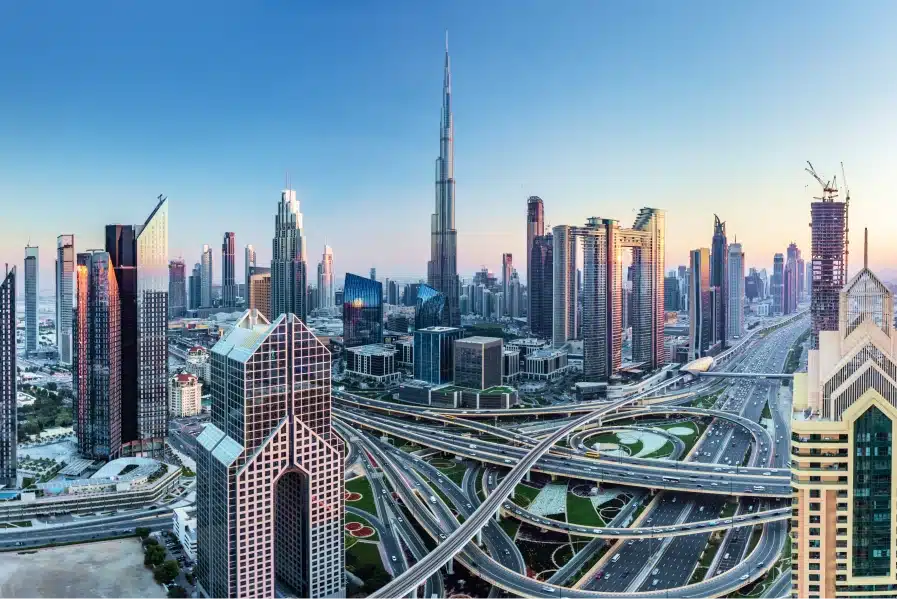
Imagine a city where business moves fast, opportunities are visible, and growth isn’t limited by bureaucracy. That’s Dubai in 2026.
Every year, more entrepreneurs and investors are drawn here, not just by the skyline or luxury lifestyle, but by real market demand. Expats and tourists keep consumption high, regional trade is booming, and digital adoption is making it easier than ever to reach customers online. On top of that, zero income tax, lowest corporate taxes, flexible company formation rules, and streamlined licensing make Dubai a rare place where business ideas can actually take off without unnecessary roadblocks.
But here’s the key: starting a business isn’t just about how to set up a company in Dubai—it’s about choosing the right idea that has real potential in this market. That’s what this blog is for.
We’ll break down 12 business ideas that are working right now, show why they’re profitable, and give you insight into growth trends so you can plan your next move with confidence.
What Makes a Business Idea Work in Dubai?
So, you’ve decided Dubai is the place to set up a company—but not every idea will fly. What separates a business that flourishes from one that struggles?
Here’s what works in Dubai:
1. Demand is Already There
Expats, tourists, and regional trade create a constant flow of customers. If people are already looking for a product or service, your chances of success go way up.
2. Scalability Without Heavy Overheads
Starting lean is key. Many businesses in Dubai can launch with minimal physical space or staff, and then scale as revenue grows. That flexibility keeps risk low.
3. Licensing and Company Formation Made Easy
Dubai has simplified business setup for both mainland and free zone companies. If your idea aligns with the right license, getting legally operational is faster and smoother than in many other markets.
4. Start Small, Grow Big
A strong business idea doesn’t need a huge launch. You can test the waters, refine your offering, and expand once demand is proven.
5. Profit Potential and Market Trends
Ideas that tap into emerging trends—tech, health, education, digital services—have an edge. Dubai’s population is young, diverse, and digitally connected, so businesses that meet these needs see faster adoption.
Think of this as your filter: before picking a business, ask yourself if it meets these points. If it does, you’re onto something that could really work here.
Next, we’ll dive into 12 business ideas you can realistically start in Dubai in 2026, backed by real demand and growth trends—so you can see exactly what’s working now.
1. E-commerce and Online Retail Business
Dubai and the wider UAE are seeing a strong shift toward online shopping. According to the Dubai Chamber of Commerce and Euromonitor, the UAE’s e‑commerce market is expected to reach around $9.2 billion by 2026, with online sales making up roughly 12.6 % of total retail sales—nearly double what it was just a few years ago.
That kind of growth means opportunities beyond just one online store.
Ways you can tap into this:
- Launch your own e‑commerce site and build a branded presence.
- Sell on major marketplaces like Amazon.ae, Noon, or even regional social commerce channels to reach buyers without big organic traffic costs.
- Use dropshipping to test products before holding inventory.
- Offer subscription services or curated boxes for niche audiences (e.g., fitness gear, eco‑friendly goods, baby products).
Why it works: Low startup costs, high demand, and flexibility. You can start lean, validate demand quickly, and scale as you find your audience.
2. Health and Wellness Services
Wellness is no longer a niche—it’s becoming a lifestyle priority in the UAE. Beyond traditional gyms, people here are investing in holistic health, fitness, nutrition, and wellbeing experiences. Experts note that wellness integrates with broader lifestyle trends across hospitality and retail, creating demand for services that go beyond a workout, such as integrated nutrition plans and recovery programs.
Where founders can step in:
- Open a boutique fitness studio or wellness centre tailored to expats and busy professionals.
- Provide online coaching or hybrid health programs that mix digital sessions and in‑person classes.
- Partner with corporates for employee wellness packages—a growing budget line in many firms.
- Offer specialised services such as physiotherapy, women’s health, or stress management workshops.
Why it works: Wellness businesses can start small and build strong repeat clientele, especially if you tap into social communities and lifestyle venues. A company set up in Dubai can serve both individual clients and corporate contracts.
3. Food and Beverage Ventures
Dubai’s food and beverage market is bustling, and it’s not just about new cafés opening every week. Consumers here actively experiment with different cuisines, flexible dining formats, and delivery-first brands that fit busy lifestyles. Technology and food delivery platforms have reshaped how people discover, order, and experience food, pushing demand toward convenience, health-focused menus, and experience-led concepts.
To put the scale into perspective, the UAE food service market was valued at USD 18.78 billion in 2024 and is projected to reach USD 84.85 billion by 2033. That growth isn’t accidental. It’s driven by population growth, tourism, and changing consumer habits, which is exactly why food businesses in Dubai continue to evolve and expand.
Opportunities to explore:
- Cloud kitchens: Launch delivery‑only brands through apps like Deliveroo, Talabat or Zomato without big dine‑in overheads.
- Food trucks or pop‑ups: Test concepts in high‑traffic locations or at events before scaling.
- Niche cafés or speciality eateries: Focus on healthy, ethical, or culturally resonant food segments (e.g., plant‑based, organic, cultural fusion).
- Packaged foods for retail or online stores: Develop unique sauces, snacks, or packaged items that can be sold through supermarkets or digital channels.
A strategic concept—especially one that leverages delivery, tech, and a clear brand identity—can carve out space even in a crowded market.
Why it works: The F&B space in Dubai is competitive but diverse and open to innovation. Low initial setup costs for delivery-focused or mobile concepts allow you to test ideas quickly, then expand into full-scale operations.
4. Digital Marketing Services
Dubai is building brands at speed. And brands don’t grow without visibility.
From real estate developers and clinics to e-commerce sellers and personal brands, everyone needs attention. That’s why digital marketing and content services are no longer optional here. They’re a core spend.
The numbers back this up. The UAE digital media market is projected to reach US$ 18.4 billion by 2030, growing at a CAGR of 12.2% between 2025 and 2030. That growth is driven by social media usage, video consumption, and businesses shifting budgets away from traditional ads.
Where can you actually enter the market:
- Managing paid ads for real estate, healthcare, education, and e-commerce
- Short-form video, reels, and UGC-style content for Instagram, TikTok, and YouTube
- SEO and content marketing for businesses targeting international customers
- Personal branding for founders, consultants, and coaches
You don’t need an agency-sized team. Many founders start with one or two services, work remotely, and scale once they lock in recurring clients.
Why it works: Dubai has a constant flow of new businesses. Most of them need results fast. If you can show traction, leads, or conversions, clients stay and refer. The market rewards execution more than credentials.
5. Logistics, Courier & Last-Mile Delivery Services
Dubai moves things. A lot of things.
E-commerce orders, B2B shipments, food deliveries, documents, and medical supplies. And while big logistics players dominate bulk movement, the real gaps are in last-mile delivery, specialised logistics, and flexible fulfilment.
The scale of the opportunity is clear. The UAE freight and logistics market was valued at USD 21.63 billion in 2025 and is expected to grow to USD 31.63 billion by 2031, at a CAGR of 6.55%.
Ways you can tap into this:
- Local courier services for same-day or niche deliveries
- Fulfilment and delivery support for Amazon, Noon, and D2C brands
- Cold-chain delivery for food, pharma, and wellness products
- Cross-border logistics support for GCC and regional trade
You don’t have to build warehouses on day one. Many businesses start with leased vehicles, outsourced storage, or partnerships, then scale as volumes increase.
Why this work: Dubai’s location makes it a trade hub. Speed is expected, not appreciated. Businesses will pay for reliability, consistency, and local knowledge. If you solve delivery pain points, demand doesn’t dry up.
6. Education, Training & Online Learning
Dubai is a city of people trying to move ahead.
Expats want better roles. Founders want sharper skills. Companies want teams that perform. That creates steady demand for education, training, and learning-based businesses.
What’s changed is the format. Learning here is practical, outcome-driven, and often digital-first.
High-demand opportunities include:
- Professional skills like marketing, finance, data, AI tools, and coding
- Corporate training in leadership, sales, and soft skills
- Online courses, workshops, and cohort-based programs
- Language training, exam prep, or specialised tutoring
Many founders start fully online, validate demand, then expand into hybrid models. You don’t need a campus to begin. Just clarity and results.
Why this works: People invest in learning here because it directly impacts income and career growth. If your training helps someone earn more or progress faster, pricing pressure is low, and word spreads quickly.

7. Consultancy & Professional Services Firms
If you have expertise, Dubai has demand. And it’s not slowing down.
The GCC management consulting market is projected to grow steadily through 2030. Zoom in on the UAE, and the picture gets even clearer. The management consulting market here is growing at a CAGR of around 6%, expected to reach USD 3.42 billion by 2030.
That growth isn’t coming from one corner. Dubai’s consulting ecosystem includes global firms, regional players, and a fast-growing layer of specialised boutiques. And that last group is where new entrants win.
Ways you can tap into this:
- Strategy, operations, and growth consulting for SMEs and family businesses
- AI governance, data ethics, and compliance advisory as companies adopt automation
- Smart infrastructure and urban development consulting tied to Dubai’s smart city push
- Cross-border advisory for businesses expanding across the GCC
- Project-based consulting for government-linked initiatives and large programmes
You don’t need to compete with global firms. You need a clear niche and a defined problem you solve better than most.
Why this works: Dubai actively buys expertise. Government initiatives, infrastructure expansion, AI adoption, and regional integration keep demand high. Consultancy businesses are lean, scalable, and respected here. With the right positioning, you can start solo, build credibility fast, and grow into a high-margin firm without heavy overheads.
8. Travel and Tourism Business
Dubai doesn’t just attract visitors. It keeps them spending.
Tourism and travel contribute over AED 257 billion to the UAE economy, making up roughly 13% of the national GDP. In 2025 alone, hotel establishments welcomed more than 23 million guests in just nine months, with hotel nights crossing 79 million. Occupancy rates are high, room rates are rising, and visitor numbers keep climbing.
But here’s the real shift. Tourists no longer want generic sightseeing. They want experiences.
Where the real opportunities sit:
- Curated city tours, desert experiences, water sports, and cultural activities
- Niche travel experiences such as wellness retreats, adventure tourism, or luxury itineraries
- Experience aggregators that package activities rather than operate them
- Event-based tourism for groups, corporates, or short-term visitors
- Digital platforms that sell experiences, not just accommodation
Many founders start without owning assets. They partner with licensed operators, focus on storytelling, booking systems, and customer experience, and scale through marketing.
Why this works: Dubai invests aggressively in tourism infrastructure and global positioning. High occupancy rates, rising daily room prices, and year-round visitor flow mean demand is consistent, not seasonal.
If you design experiences people remember and share, this becomes a repeatable, brand-driven business with strong margins.
9. Technology & IT Services
Dubai is no longer just buying tech. It’s building its future on it.
The UAE’s overall technology market was worth USD 52.2 billion in 2025 and is expected to grow to USD 85.2 billion by 2030. Zoom in further, and the opportunity becomes even clearer. IT services alone generate around USD 3.7 billion today, with steady growth forecast over the next five years. IT outsourcing has already crossed USD 1.5 billion, and demand keeps rising as companies focus on speed over in-house teams.
Then there’s cloud and AI.
The UAE cloud market was valued at USD 12.84 billion in 2025, projected to jump to USD 45.4 billion by 2030. Add to that the UAE AI Strategy 2031, massive data centre investments, and smart city projects across Dubai and Abu Dhabi, and you start to see why tech founders are paying attention.
Where founders are tapping in:
- IT outsourcing for SMEs that don’t want in-house tech teams
- Cloud migration, DevOps, and managed services for growing companies
- Cybersecurity and compliance support as regulations tighten
- AI implementation, automation tools, and data analytics for operations
- SaaS products built for regional needs like HR, accounting, logistics, or real estate
You don’t need to build the next global platform. Many successful firms start by solving very specific business problems for companies already operating in the UAE.
Why this works: Dubai is actively funding, adopting, and scaling technology. With global tech players investing heavily and government initiatives pushing AI, cloud, and smart infrastructure, demand isn’t theoretical. It’s already here. IT services businesses are scalable, exportable, and highly resilient, making them one of the strongest long-term bets in Dubai.
Also Read: Guide to Starting Your AI Company in Dubai
10. Real Estate, Brokerage & Property Services
Dubai real estate isn’t just growing. It’s rewriting records.
In 2025, Dubai’s property market recorded its highest sales value in history, crossing AED 682 billion, a 30% year-on-year jump. That marks five consecutive years of strong growth, driven by both international investors and long-term residents choosing Dubai as a base.
This scale creates opportunity well beyond buying and selling property.
Where founders are finding space to win:
- Residential and commercial brokerage firms targeting specific buyer segments
- Rental and property management services for overseas investors
- Real estate advisory for investors entering the Dubai market for the first time
- Transaction support services, valuation, and documentation coordination
- Digital platforms connecting buyers, sellers, and developers
Brokerage is just one layer. Many firms build recurring revenue through property management, investor services, or niche advisory rather than relying purely on commissions.
Why this works: Dubai’s real estate market is liquid, transparent, and globally attractive. High transaction volumes mean consistent deal flow, not just one-off spikes. Strong foreign interest, long-term residency options, and lifestyle-driven demand make this sector resilient even during global uncertainty.
For founders who understand positioning and trust-building, real estate businesses can scale quickly and generate steady income.
11. Pet Grooming, Daycare & Premium Pet Services
Dubai’s pet economy is quietly booming, and grooming sits right at the centre of it.
The UAE pet grooming market generated USD 37.7 million in 2024 and is projected to grow at a 9.2% CAGR from 2025 to 2030. What’s driving this? A rising expatriate population, higher disposable income, and a shift in how people view pets. For many residents, pets are no longer accessories. They’re family.
And that changes spending behaviour.
Where founders are building traction:
- Mobile pet grooming vans offering at-home convenience
- Premium breed-specific grooming and styling services
- Pet daycare and boarding for working professionals and frequent travellers
- Subscription-based grooming packages with monthly or quarterly plans
- Add-on retail for pet care products, food, and accessories
You don’t need a massive facility on day one. Many successful operators start lean with mobile services or compact studios and expand once demand stabilises.
Why this works: Pet ownership in Dubai is growing faster than support services. Convenience, premium care, and trust matter more than price for many customers. That creates space for well-positioned brands to build loyalty and recurring revenue.
With high retention and predictable demand, pet grooming businesses scale steadily rather than erratically.
12. Renewable Energy & Sustainability Solutions
Dubai isn’t talking about sustainability. It’s funding it.
The UAE has committed to investing USD 54 billion in renewable energy by 2030 as part of its net-zero emissions target by 2050. This isn’t a long-term vision sitting on paper. It’s already shaping procurement decisions, construction standards, and private sector demand across the country.
Solar power, energy efficiency, and sustainability services are no longer optional add-ons. They’re becoming standard.
Where founders are finding real opportunity:
- Solar panel installation for commercial and residential properties
- Energy storage and battery solutions for businesses
- Sustainability consulting for ESG compliance and reporting
- Eco-friendly products and green building materials
- Maintenance and optimisation services for existing renewable systems
Many businesses in the UAE now need sustainability solutions to meet regulations, reduce operating costs, or align with global partners. That demand cuts across real estate, logistics, hospitality, and manufacturing.
Why this works: Government-backed investment removes uncertainty. When policy, funding, and private demand align, markets move faster. Renewable energy businesses benefit from long-term contracts, repeat clients, and strong institutional support. For founders willing to specialise and execute well, this sector offers both scale and stability.
How to Choose the Right Business Idea for You
Now that you’ve read about the most promising business ideas in Dubai, it’s tempting to jump on the trend that excites you the most. But here’s the thing: not every hot idea is the right idea for you.
What works brilliantly for one founder might flop for another. This is where smart founders hit pause and think carefully before taking the leap.
Once the excitement settles, this is where clarity matters. The right business idea in Dubai isn’t always the flashiest one—it’s the one that fits your goals, lifestyle, and resources.
Start with your budget, not just ambition.
Some businesses let you set up lean and test demand fast. Others need capital, inventory, staff, or space from day one. Be honest about how much you want to invest upfront versus how quickly you expect returns. A low-cost entry point often gives you more room to learn and adjust when you set up a business in Dubai.
Decide how hands-on you want to be.
Do you want a business you can run remotely, or are you comfortable being physically present? Digital services, consulting, and ecommerce allow flexibility. Hospitality, logistics, and retail usually require boots on the ground. Your lifestyle goals matter just as much as revenue projections.
Balance speed with scalability.
Some ideas are quick to launch but hard to scale. Others take longer to establish but grow steadily over time. Ask yourself what you value more right now: fast cash flow or long-term growth? The best company establishment in Dubai aligns both, but knowing your priority helps you choose wisely.
Before committing, pause and ask yourself one question: Does this idea fit how I want to work, live, and grow over the next three to five years? That answer usually tells you more than any trend report.
What Most People Get Wrong When Setting Up a Business in Dubai
Let’s be honest – Starting a business in Dubai sounds exciting, but it’s easy to trip up if you’re not careful. Most mistakes come from assumptions we bring with us.
Skipping proper market research: You might think, “This idea works anywhere, so it’ll work here too.” But Dubai’s market has its own quirks. Who are your customers – expats, tourists, or locals? How much are they willing to pay? Ignoring this upfront can leave you with a business no one really needs. Ask yourself: Have I actually validated demand before committing?
Choosing the wrong activity or license: Here’s a trap a lot of founders fall into: picking a business activity because it sounds easy or trendy, not because it matches your skills or long-term goals. Your activity determines the license you need, what you can legally do, and even which bank will work with you. Miss this step, and your setup gets messy fast.
Chasing trends instead of fit: Yes, dropshipping, food trucks, or digital services are “hot” right now. But just because something is trending doesn’t mean it’s right for you. Ask yourself: can I run this sustainably? Do I have the right resources, network, and understanding of the local market?
Underestimating the value of the right guidance: Trying to navigate company setup, licenses, visas, and compliance on your own is tempting – but mistakes here cost time, money, and stress. Getting clear, accurate guidance early can save you from painful surprises later. Have you consulted someone who really knows the ins and outs of setting up a company in Dubai?
Here’s the bottom line: the founders who succeed are the ones who pause, research, and plan carefully. They don’t rush into setup and company formation blindly – they understand the market, pick the right activity, and get expert guidance.
Turning an Idea Into a Legally Registered Business in Dubai
You’ve picked your business idea, and now it’s time to make it real. Setting up a company in Dubai might sound complicated, but if you follow the right steps, it’s straightforward.
While the exact timeline and requirements can vary depending on your business, here’s the general path most founders have to take:
1. Choose Your Business Activity
Everything starts here. Your business activity will define the type of trade license you need and where you can operate. Spend some time researching demand, competition, and regulations. This ensures your idea isn’t just exciting—it’s actually feasible and profitable in Dubai.
2. Decide Your Jurisdiction – Mainland or Free Zone
Think of this as picking your playground. Free Zones make setup smoother, with fast approvals and a focus on international clients. Mainland companies let you trade directly with local customers, government entities, and across the UAE. The key is picking the one that fits your growth plans and who you want to sell to.
Also Read: Mainland vs Free Zone Business Setup in Dubai: Everything You Need to Know
3. Select a Legal Structure
Now decide how your business will legally operate. Options include LLCs, branches of foreign or local companies, and sole proprietorships. Many expats prefer LLCs – they reduce personal liability while giving operational flexibility. Your choice will affect ownership rules, licensing, and day-to-day operations.
4. Select & Register Your Trade Name
Your company’s name matters more than you think. It must follow UAE rules – no offensive or controversial references, and then you reserve it with the Department of Economic Development (DED) or the relevant Free Zone authority.
5. Get Initial Approval
Before moving ahead, get a green light. Submit your business details to the DED or Free Zone authority to confirm there’s no objection to your planned activity.
6. Secure Office Space (If Required)
Not every business needs a physical office right away. Depending on your activity, you might use a co-working space, virtual office, or even start remotely. The goal is to have a registered address that satisfies licensing rules. For businesses that do require physical premises, the lease also helps you obtain your Ejari (official tenancy contract).
7. Prepare Your Documents
Get all your paperwork ready: passport copies, photos, business plan, MOA (if there are shareholders), and LSA (Local Service Agent) agreement if needed. Having your documents in order makes the process smoother and avoids delays.
8. Apply for License & Permits
Submit your documents, pay the fees, and get your trade license. Depending on your business, you may also need industry-specific permits or approvals from external authorities.
9. Open Your Business Bank Account
With your trade license in hand, it’s time to get your finances in order. A corporate bank account separates personal and business funds and ensures all transactions flow legally.
10. Secure Your Visa
If you or your team need to live or work in Dubai, you’ll apply for investor or employment visas. This step links your legal setup to your ability to fully operate in the UAE.
Pro Tip: While these steps cover the essentials, navigating approvals, documentation, and deadlines can get tricky. Partnering with experienced business setup consultants in Dubai can make the process smoother, helping you avoid delays and ensuring your company is fully compliant from day one. With the right guidance, you can focus on building your business rather than getting lost in paperwork.
How Vista Business Setup Helps You Move From Idea to Execution
You’ve got the idea. You’ve done the research.
But turning that vision into a legally registered, fully operational business in Dubai can make you feel uncertain. That’s where guidance makes all the difference.
Our approach is simple: clarity and support from start to finish.
At Vista Business Setup, our consultants don’t push templates or one-size-fits-all answers. We slow the process down at the right moments. We question assumptions. We help you stress-test your idea against licensing rules, market demand, and long-term feasibility before you commit to company formation in Dubai.
Instead of handing you a checklist, our business setup consultants in Dubai walk you through the “why” behind each decision. Why does one activity work better than another? Why does a specific jurisdiction support your growth plan? Why timing matters in banking, visas, and compliance.
And it doesn’t stop once your license is in hand. From opening a corporate bank account to handling visa processes, finances and compliance, we’re there to make sure your company isn’t just registered – it’s thriving. Because building a business isn’t just about registration – it’s about creating a foundation for growth, freedom, and long-term success.
Final Thoughts: An Idea Is Only Powerful If You Act on It
Ideas are only as good as the action you take. You could have the most brilliant concept for a business in Dubai, but without execution, it remains just that: an idea. So, what’s holding you back?
Now’s the time to focus on clarity, planning, and informed action.
Ask yourself: Does this idea fit your goals, lifestyle, and the market you want to serve? Have you mapped out the steps to make it real?
The truth is, Dubai’s environment—low taxes, growing population, international clients—is ready for businesses like yours. But the window of opportunity only opens fully when you take the right steps.
If you’re ready to move from idea to execution, a short conversation can save months of trial and error. Reach out to Vista Business Setup and get clear, practical guidance before you take the next step.
Search
Recent Post


 20 Aug 2026